

Many of us are currently as far away from our natural food and medicine sources as one can be. With a lifestyle of hunting and gathering or farming no longer essential but instead pushed toward succeeding in a work career, we seem to have slowly become less connected to our natural habitat and the foods that were once a part of our daily routines. However, it is only relatively recently that we have become less connected to the plants growing around us. We have evolved alongside them and developed an affinity between them which, although seemingly forgotten, is rooted deeply within us. Through the use of the senses, just like other animals, I am adamant that our ancestors would communicate with the plants, understanding their gift to us and how to best use them accordingly. In this post, we explore reasons and ways to understand and include more wild plants in our diet and healthcare.

Wild plants over Domesticated plants
Compared to domesticated plants, which most of us currently rely on for nutrition, wild plants contain an incredibly diverse range of nutrients. With more gathering and use of wild food and medicine, our nutritional diversity is naturally improved, along with a better sense of well-being simply through spending time in nature and with the plants.
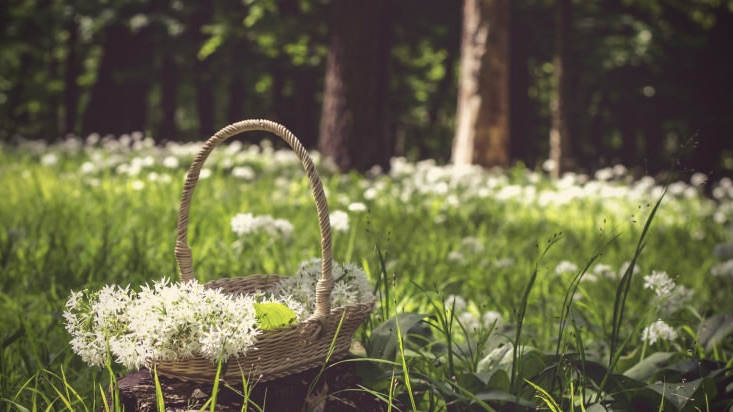
The chemicals that are often used in the processing of growing domesticated plants to protect them from external threats cause them to produce less of their own protection – phytonutrients- which in turn leads to less nutritional value. Choosing organic will probably help you out somewhat with this problem, however, domesticated plants have also been bred to taste less strong and more appealing to the general public, which again, causes them to contain less nutritional value as most beneficial nutrients in a plant naturally have a bitter, sour or astringent taste. By having bred out these strong flavours, we have, unfortunately, removed much of the plants’ natural nutritional value.
Wild plants, on the other hand, generally don’t have humans interfering and are forced to produce their own defence against pests and diseases, meaning they produce more phytonutrients. These are what we generally refer to as vitamins, minerals, proteins, antioxidants, fatty acids, and so on. When we, in turn, eat those plants, we absorb their phytonutrients, keeping ourselves fit and healthy.
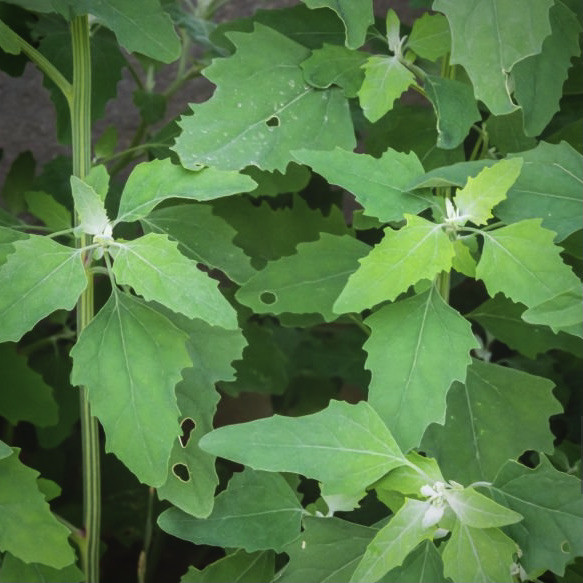
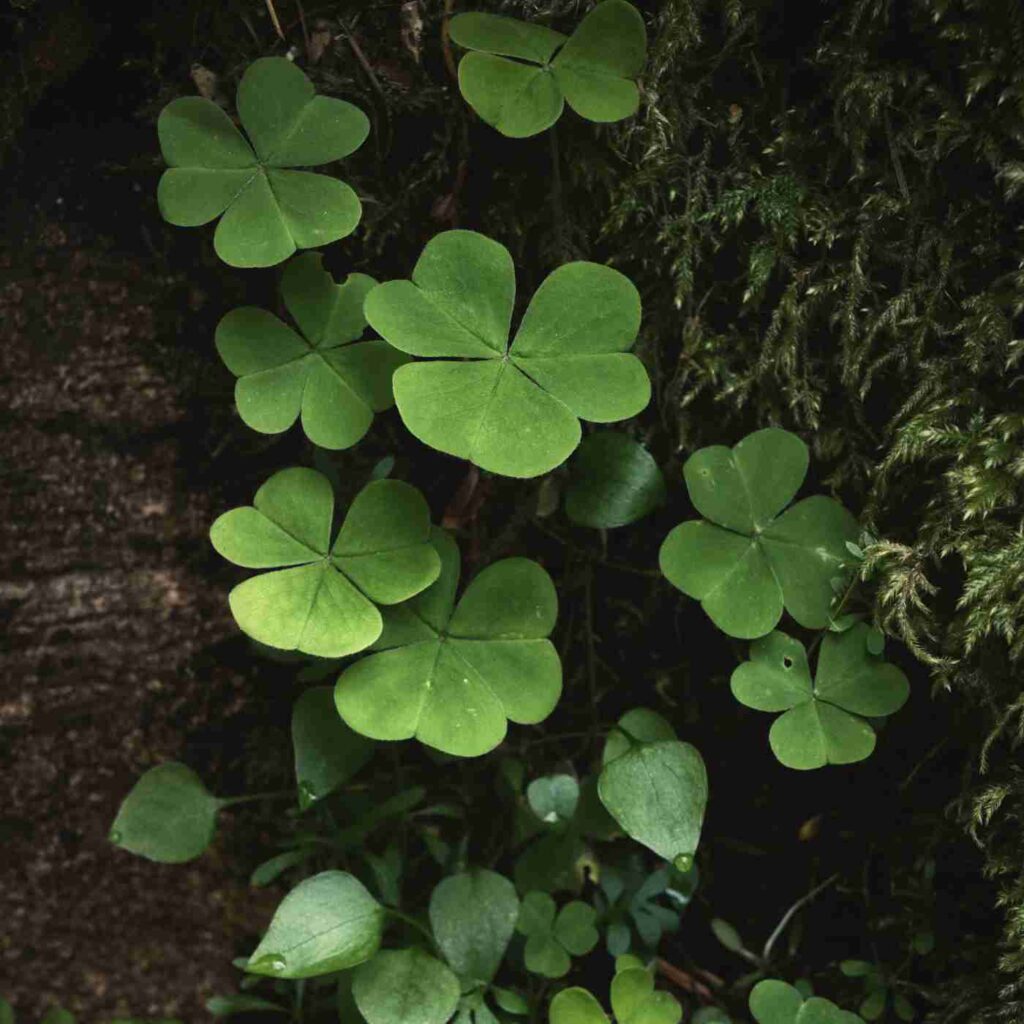
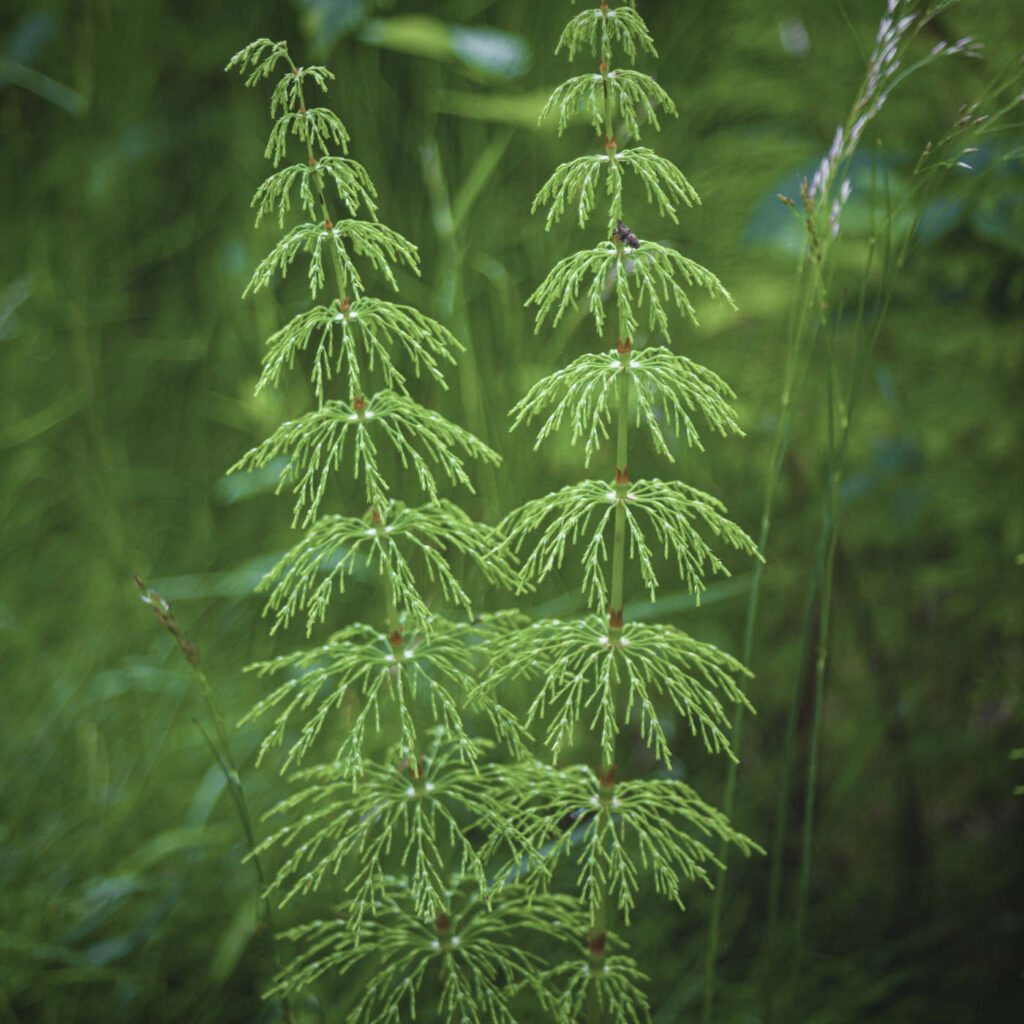
Furthermore, by introducing more local wild plants to our diet, we will naturally consume a bigger diversity of nutrients and seasonal variety, providing us the nutritional and medicinal benefits needed to support us throughout each season of the Year. This could look like nourishing herbal teas during winter time, fresh wild greens to enliven the soul in the spring, beautifying summer with edible flowers, and feasting on autumn berries in preparation for the colder months, for example.
Understanding plants
The world of plants is vast and one of the best and most profound (and fun) ways to organically understand their quality and benefits is, I believe, through activating our senses and spending time with them in their natural habitat. Where and how a plant grows can give us many clues as to what affinity it has with us. When it comes to our senses, the sense of smell and taste, especially, are invaluable tools in exploring and understanding the world of plants!

Of course, if you’re only just beginning to explore foraging wild plants for food and/or medicine, you must first learn to identify with 100% certainty and educate yourself on the properties of the plant you are dealing with. However, in addition to adequate research and study, you can train yourself to understand them more organically by activating your senses. It is when we allow and give time for observation that our senses can communicate to us the energetics of the plant and its corresponding actions. Below, I have shared some ways and tools for how we can approach plants in this way, through our senses:
Tasting
Our sense of taste is probably our most fundamental when it comes to plant understanding. There are four main flavours that our taste buds can detect from plants: sweet, bitter, sour, and salty. This, I believe, is best felt by either chewing on the plant directly or preparing a strong tea from it to sip on. Through learning what effect each of these tastes has on the human being, we learn to gauge quickly what a particular plant has to offer.
– Sweet
The sweet taste in plants generally indicates nourishment to the whole being. It tends to have a cooling and demulcent effect on the body and benefits the mucus membranes, including those lining the mouth, the lungs, the digestive tract, the urinary tract, and the reproductive system. Sweet plants are also believed to evoke feelings of love, compassion and joy, soothe the mind and enhance clarity and awareness.
When we describe a plant as sweet, it’s usually very subtle, not like a sugary treat. Fennel, marshmallow, and liquorice, whose earthy roots have a mild sweet flavour, indicate the above properties.
– Bitter
The bitter taste in plants cleanses and supports the liver and plants with this flavour are therefore known as detoxifying. They purify the blood, drain excess moisture from the body, tone the muscles and skin, and also serve as a digestive tonic by stimulating a healthy appetite and cleansing the digestive tract. Bitter plants are also believed to give clarity to the mind and support our sense of introspection, self-awareness, and healthy detachment from worldly things.
Nature is full of bitter plants! Some are more bitter than others – dandelion, yarrow, angelica, and burdock are only a few wild-growing plants with bitter properties.
– Sour
The sour taste in plants increases salivary secretions in the mouth, which enhances the secretion of digestive enzymes and stimulates the metabolism. Sour plants are generally cooling and have astringent effects, meaning they tone, tighten, and strengthen loose tissues of the body. The sour taste is energizing, awakens the mind and is believed to settle scattered energy to become more one-pointed and promote appreciation and understanding.
Most berries, such as hawthorn and elderberry, are considered sour with astringent properties. Other sour-tasting plants include lemon balm and wood sorrel.
– Salty
The salty taste in plants indicates the presence of minerals. These plants generally support and balance bodily functions. They support nutrient absorption and elimination, muscle strength, and help maintain the water-electrolyte balance. These plants are energising and nutritive, prevent stiffness in the body and soothe the nervous system. They are believed to improve courage, confidence, and enthusiasm for things and in that way bring creativity to our lives.
The salt flavour can indeed be very subtle in plants, almost grass-tasting, and requires a bit of extra taste tuning. Stinging nettle, chickweed, and horsetail are all plants with a salty taste, emerging right in time for an internal spring cleanse.
Note:
Don’t expect herbs to taste “good”, or you’ll likely be disappointed. A potent healing plant will have a distinctive, fresh flavour, but not necessarily palatable until you get familiar with it. Also, keep in mind that a plant can have more than one distinct flavour and, therefore, many different virtues. When you’re using your sense of taste to gauge their qualities, take your time and observe the tastes in your mouth as they evolve.
Smelling
Compared to our other senses, the sense of smell is our most primal and instinctual. It has a remarkable ability to evoke emotional responses that greatly influence our well-being. This is due to the direct connection between our scent receptors and the Limbic System in the brain, which is in charge of recording our emotions, memories, and survival instincts. If a plant is strong and sharp in its aroma, it is likely to contain volatile oils, which oftentimes are relaxing to the nervous system and able to promote mental clarity and positive emotions. In herbalism, these plants are referred to as aromatic.

To practice and engage your sense of smell, you can crush a leaf and inhale its scent through your nose or make a cup of tea and smell the steam rising from it. Observe what happens within you as you smell, how your mind, body and emotions shift. The scent interacting with you in this way can be a great tool in gauging how the plant fits with your particular constitution. For example, for many people, the scent of lavender sends them into absolute bliss, while some people can’t stand the smell. Each unique plant possesses a medicinal essence, and it is this essence that heals the whole unique person. There’s no one herb-fits-all when it comes to health and healing. This is what makes them so special and our senses so valuable in understanding them.
Observing
Being in nature and among the plants, observing their cycles, shapes and colours and giving time for stillness and listening enables us to engage with plants directly, moving beyond abstract knowledge and into a more embodied experience. All the senses are involved in this practice, along with the heart, and our intuition is strengthened.
The more often you allow yourself quality time in nature, sitting with the plants, the more your understanding and connection with them will improve. Eventually, you’ll notice the plants communicating to you how to use them. The plants are here to help us; asking for their help and listening are big steps in understanding them. A tip is to dedicate a particular area, or plant, that you revisit once a month, documenting what you see and feel and how the environment changes with time. This will soon become a very special moment between you, your chosen area and the plants.

Everyone is capable of connecting with and understanding plants using these methods. It just takes practice! It’s a gift I believe all of us obtain through ancestral inheritance but forget how to use as we age. Young children seem to withhold this wisdom as seen when you let them loose in nature. It’s a beautiful thing to observe and something we should encourage.
Plants as medicine – how, when, where?
One shouldn’t have to train to be a qualified herbalist to make remedies and heal from the plants. Most of us only want to be able to naturally care for ourselves and our family, and that’s where I believe herbalism is at its best: as a home health care system. Each situation requiring medical attention is different, of course, and there are absolutely times when allopathic care is necessary. However, I would argue that in most non-emergency situations, herbs will do the job in a far more nurturing manner than that of allopathic remedies.
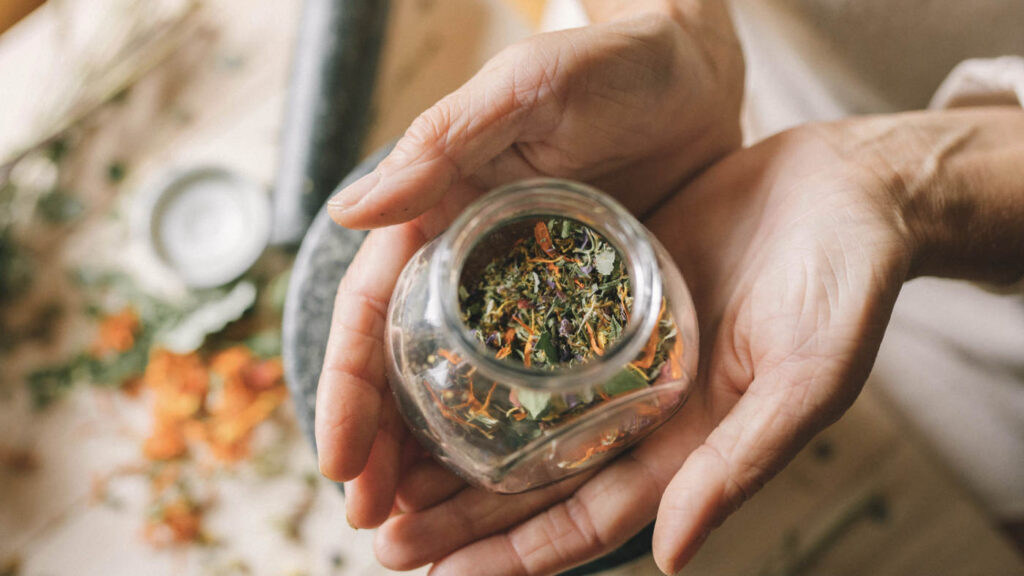
Most illnesses and imbalances improve with nourishment, rest, and gentle natural treatments. While allopathic drugs are designed to kill bacteria and viruses, herbal medicines build and restore the system. Through their complex biochemical process, herbs consider the whole person and heal from a cellular level. Hence, when taken correctly, herbs do not upset the body’s innate sense of harmony but rather support it, leaving little room for side effects.
When we begin to shift from allopathic medicine to plant medicine, we must also learn to use them accordingly. Herbs don’t heal the same way as allopathic drugs and should also not be approached the same way. Patience and care are required when healing with herbs, there’s no such thing as a quick-fix pill when caring for any living being. Each situation requiring medical attention is different, but here are some guidelines for how and when one can apply herbal treatments:
Prevention
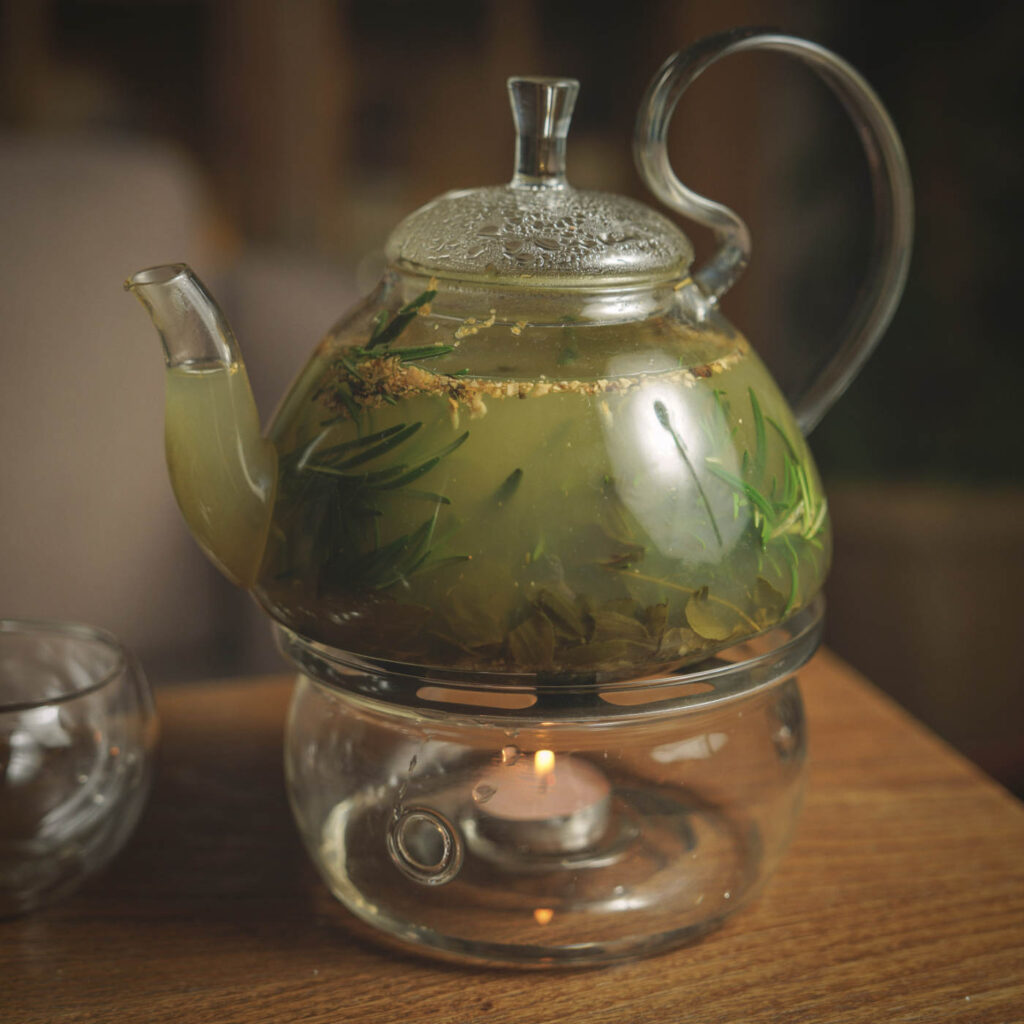
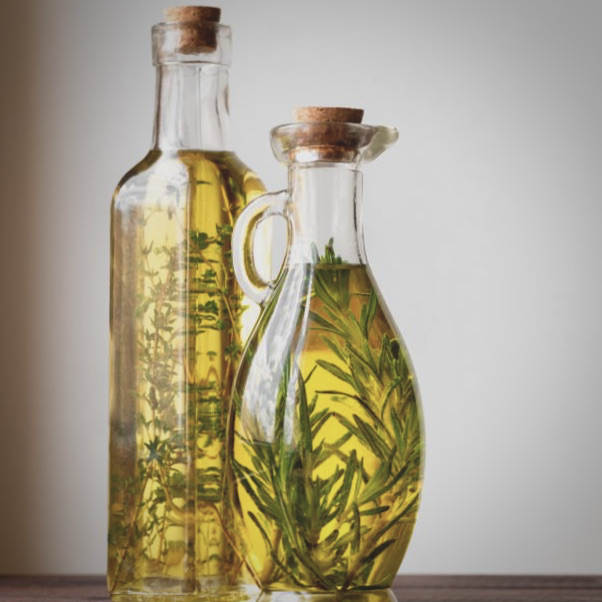
Herbs are amazing at strengthening the body’s natural immunity and defence mechanisms. They nourish the body and soul deeply and increase our ability to adapt to the ever-changing environment and stresses of life. They work to restore balance and harmony, addressing any underlying imbalances that may, in other cases, contribute to disease. Our bodies are familiar with herbs; they recognize them and understand how to utilize them efficiently. Using herbs as a preventative can look like drinking daily potent herbal teas where the herb(s) have infused for a minimum of 15 minutes, daily shots of homemade herbal tonics, including herbal vinegar, honey and oil to your meals, taking herbal baths, regular massaging with herbal oils, etc. There are endless ways in which the regular use of herbs can prevent and protect you from disease and keep you well.
Support
Herbs are such beautiful friends when in need of extra support and replenishment of life energy. In times of shock, heartache or illness, some special herbs help bring strength and ease to our emotions. When chosen carefully and in conjunction with a healthcare professional, some herbs can even work great alongside necessary allopathic treatment to complement and enhance the healing effect. Strong herbal teas drunk three times a day make a perfect remedy during these times, along with regular self-care routines like herbal body oiling, herbal baths and time spent in nature.

Non-emergencies
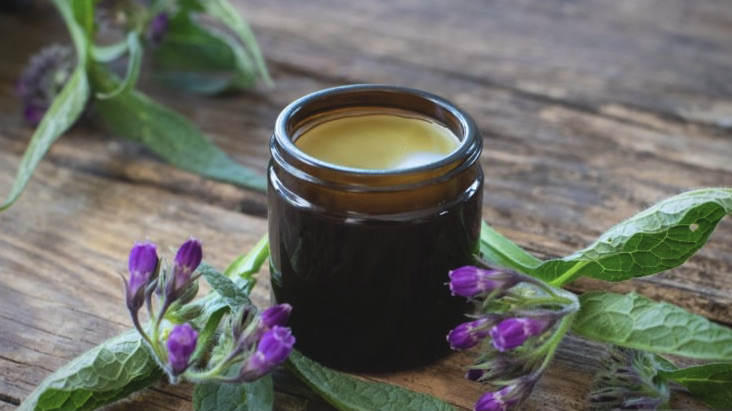
Small accidents that cause minor discomfort and pain, such as bruises, swellings, sprains, cuts, wounds, colds, fevers, rashes, and burns, respond well to herbal remedies. Strong herbal teas drunk three times a days is a great remedy, though ideally you want to have herbal salves, ointments or oils on hand for most of these situations. Bathing or massaging the painful or wounded area with either of these herbal products regularly will greatly support the body in healing naturally and reduce the pain.
Wild plants and safety
As already mentioned, before ingesting or working with any plant you must first have identified it with 100% certainty and understand its properties. To further understand how any specific plant works within your unique body and constitution the use of your senses, as described above, are great tools while also taking time to notice any positive or negative changes within your body upon ingestion. Occasionally, a plant will cause an uncomfortable reaction in an individual. This doesn’t make the herb toxic but rather just a poor choice for that particular individual.

When it comes to medicine, herbs are among the safest available on this earth. This does not mean that there are no herbal remedies that can cause side effects or harmful reactions. However, the herbs you are likely to come across, the ones we use in modern-day herbalism, have been tested and used for centuries by people all around the world. There is really no need for concern; however, it is important to make sure there’s no risk of interference with other medication, pregnancy or causing allergic reactions. Furthermore, herbs taken in teas, tonics and syrups, in baths, oils and salves, are for the most part extremely safe and gentle. Should there be an uncomfortable reaction despite the precautions taken, it will soon pass, and you will know not to work with this plant again.
Last thoughts
I understand that for most of us, modern-day life with all its requirements doesn’t allow much time for gathering our food and medicine in the wild. However, I hope that reading this post has given you enough encouragement to take even the tiniest baby step into familiarising yourself with your local natural environment. Notice what edible plants grow around you, or even just begin exploring your senses through store-bought herbs and foods.
Love, Sarah Águsta
Recommended reads on the subject:
How to safely and respectfully gather plants in nature