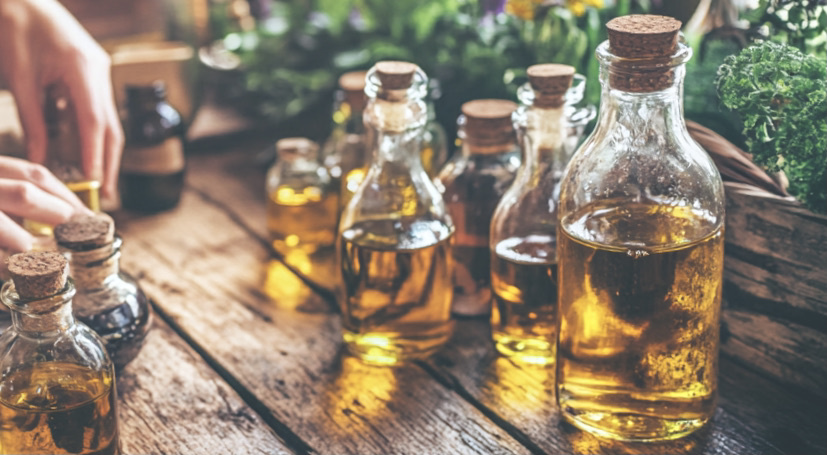

Two ancient practices; yoga and herbalism, that both offer profound ways to reconnect with nature, cultivate inner peace and better enhance physical, mental, and spiritual well-being, finding a sense of harmony with the natural world, and true self. How do they align with one another and how can we intertwine and incorporate them into our day-to-day living? Let’s explore.
Living yoga
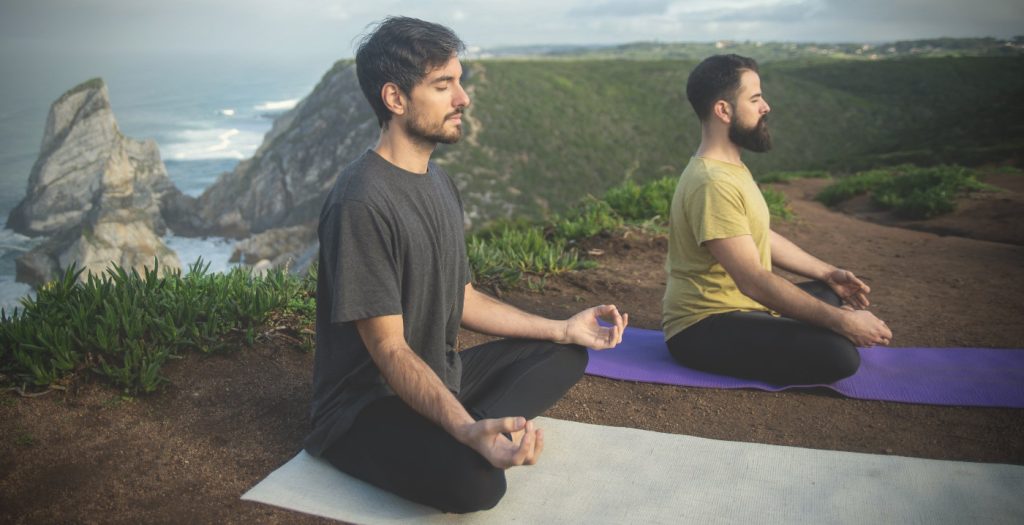
The ancient practice of yoga is not just a calming exercise or stretch. It is a discipline, philosophy and way of life that encompasses physical postures (asanas), breath control (pranayama), and meditation as well as ethical principles guiding both outward and personal behaviours. A life of yoga aims to create balance, both within the body and our surroundings. It invites us onto a path of inner peace, self-awareness, and a deeper connection to all living things. Regular practice of yoga cultivates mindfulness and presence, allowing us to connect more deeply with our thoughts, emotions, and the subtleties of life around us. This heightened awareness extends to the presence and energy of plants and nature, making us more receptive to their guidance.
Living herbal
The ancient practice of herbalism goes far beyond making remedies for ailments such as the common cold. Plants in nature have for centuries been used to heal the body, soothe the mind, and enhance spiritual practices. Plants and nature support spiritual growth and meditation where the use of certain herbs have the ability to open the heart, give clarity to the mind, or enhance intuition, making them excellent companions for all things in life. When we consciously choose to notice and welcome plants into our daily lives, we develop a greater understanding and appreciation for the natural world and its healing power.

Combining yoga and herbs
Integrating herbs into a yoga practice can enhance awareness of the body, mind, and spirit, while regular yoga practice serves as a medium to deepen our connection with plants and the other-than-human world. Combining yoga and herbs I believe creates a greater bond with nature by encouraging mindfulness of the earth’s resources. Beyond maintaining a regular yoga practice and utilising herbs, here are some ways in which you can combine these two powerful practices more consciously.
1. Herbal teas
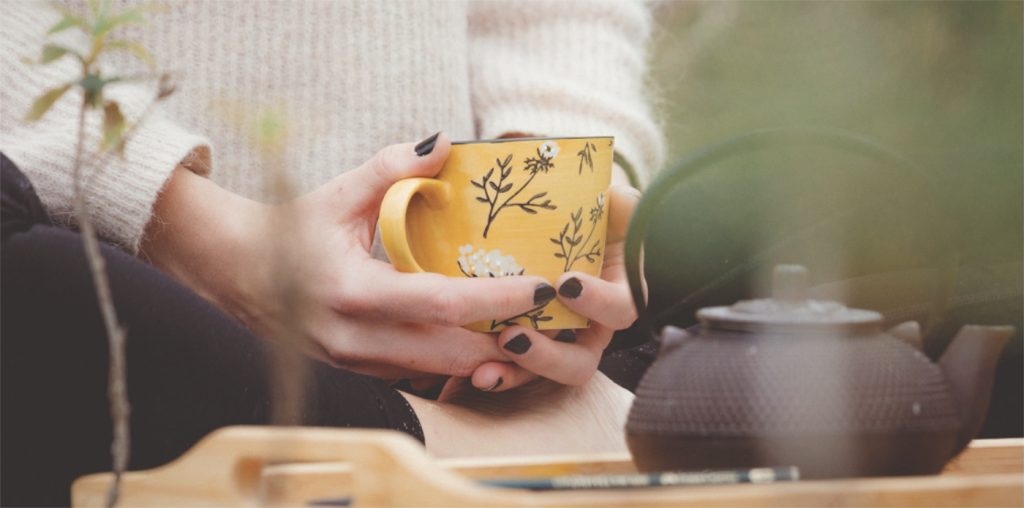
Beginning or ending your yoga session with herbal tea that complements your intention can be a powerful tool for achieving your desired state of mind or body. Drinking herbal tea as a meditation practice can support both the body and mind in reaching deeper levels of awareness during yoga, finding a profound connection. Here are some suggestions:
Grounding & nourishment
Grounding, nourishing, and adaptogenic herbs such as Stinging nettle (Urtica dioica), Dandelion root (Taraxacum officinale), Ginger (Zingiber officinale), Turmeric (Curcuma longa) and Rhodiola (Rhodiola officinalis) pair beautifully with yoga sequences focused on grounding, depletion, and stress relief, promoting stability and connection to the earth. Calming breathing exercises and poses like Malasana / Yogi squat, Trikonasana / Triangle pose, Parvatasana / Mountain pose and Vrksasana / Tree pose work well to cultivate that tranquillity and a sense of rootedness.
Heart connection
For heart-opening practices focused on self-love, joy, and positive energy, herbs like Lemon balm (Melissa officinalis), Calendula (Calendula officinalis), Cardamom (Elettaria cardamomum), Rose (Rosa spp.) and Motherwort (Leonurus cardiaca) are wonderful companions. These herbs help calm anxiety and infuse bright, uplifting energy into your entire being. Chanting mantras and incorporating poses such as Anjaneyasana / Low lunge, Matsyasana / Fish pose, Bhujangasana / Cobra pose and Padahastasana / Forward bend into your sequence will further enhance this joyful heart connection.
Clarity & inner vision
When the intention is to cultivate clarity, inner vision, and nurture awakening and wisdom, herbs such as Tulsi (Ocimum tenuiflorum), Rosemary (Salvia rosmarinus), Mugwort (Artemisia vulgaris), Gotu kola (Centella asiatica) and Blue lotus (Nymphaea caerulea) can be powerful allies. Combining these herbs with third-eye meditation techniques and yoga poses like Padmasana / Lotus pose, Halasana / Plow pose, Baddha Virabhadrasana / Humble warrior and Sirsasana / Headstand creates a potent practice for deep insight and spiritual awakening.
2. Herbal incense
Burning incense, smudge sticks, resin, or wood before practice has long been a ritual for cleansing the environment, making it more friendly to meditation, yoga, or any spiritual activity. This purification not only removes negative or stagnant energy but also creates a harmonious and uplifting atmosphere, allowing for deeper focus and mindfulness. Plants such as Palo santo (Bursera graveolens), Sage (Salvia officinalis), Mugwort (Artemisia vulgaris) and Pine (pinus spp.) are especially honoured for their grounding scents and their ability to calm the mind, making it easier to reach a meditative state.
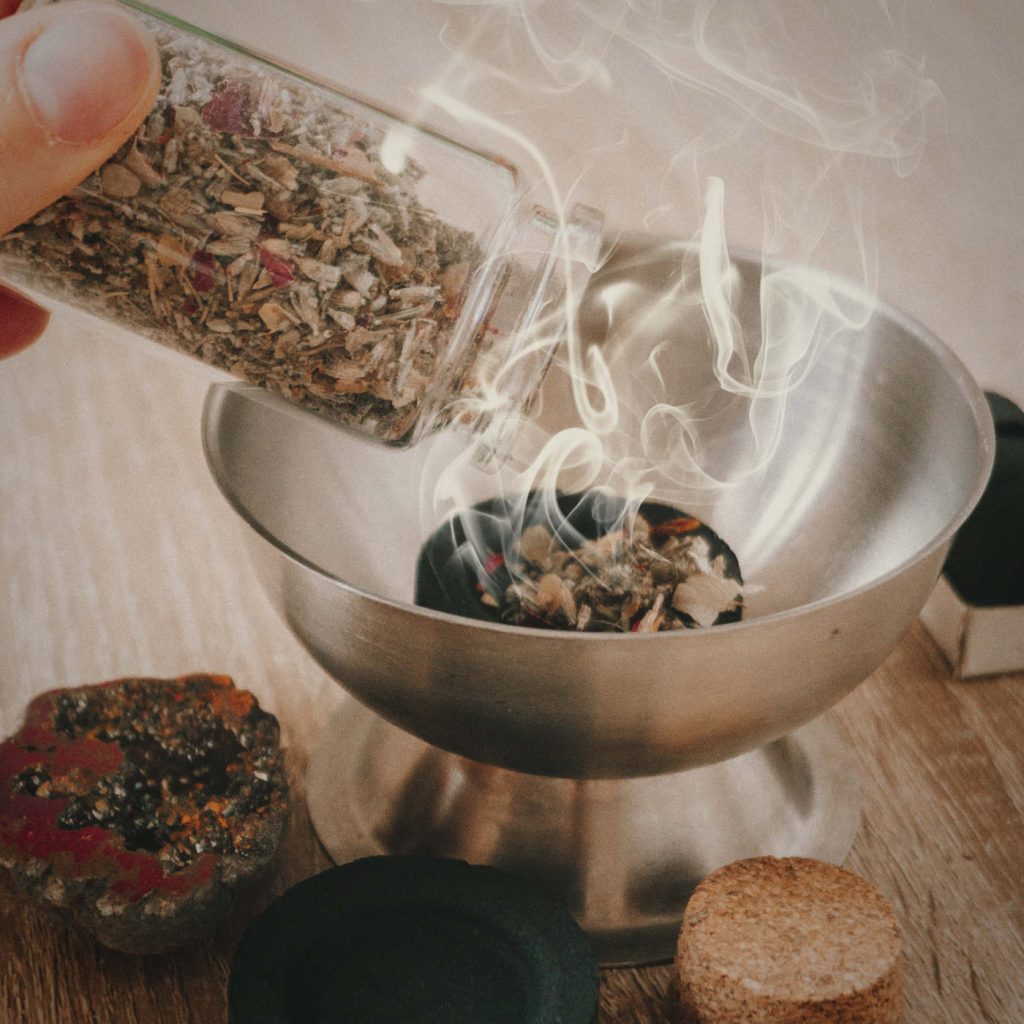
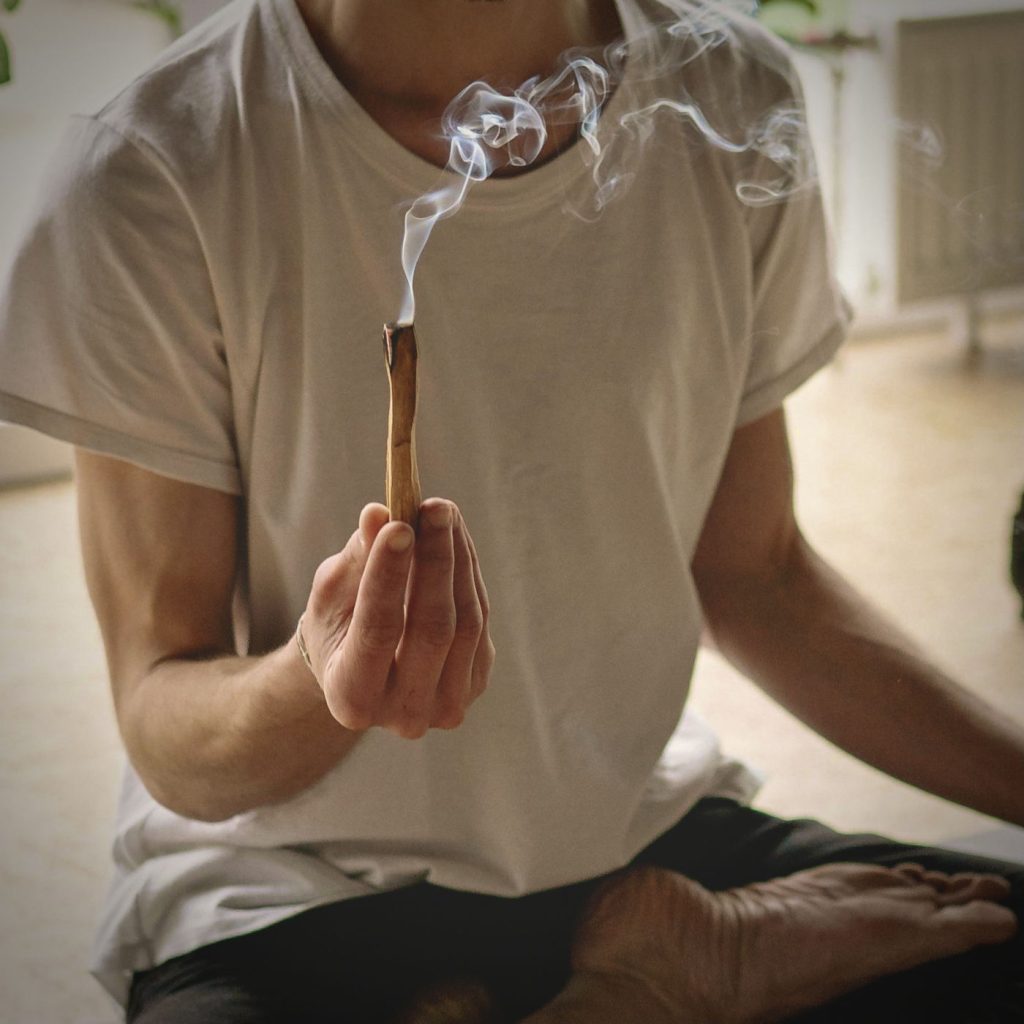
I tend to alternate between palo santo, pine resin, smudge sticks made from mugwort and Yarrow (Achillea millefolium), and herbal incense made from Rose (Rosa spp.), which each offers an amazing scent and energy that enhances my practice.
3. Herbal oils
Herbal oils, much like herbal teas, can be great tools for achieving a desired physical, mental or spiritual state when chosen with intention. In Ayurveda, the sister science of yoga, the practice of self-massage or abhyanga using herb-infused oils is highly promoted. For example, an oil infused with calming herbs like Chamomile (Chamomilla recutita) and St. John’s wort (Hypericum perforatum) will soothe the nervous system, while oils infused with invigorating herbs like Rosemary (Salvia rosmarinus) and Pine (Pinus spp.) stimulate circulation, clarity and energy flow.

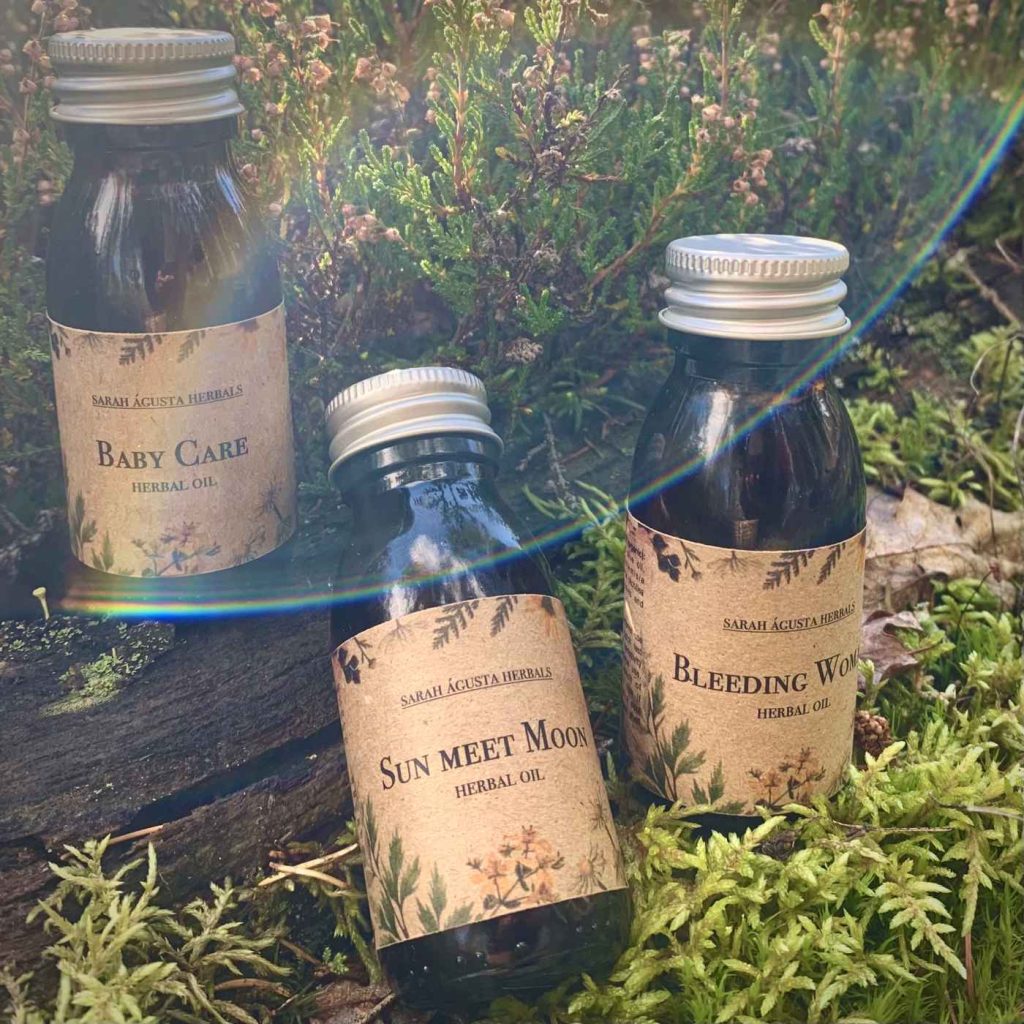
Full body oiling before beginning a complete yoga session can be a little inconvenient or frankly, a big sticky mess. Save this for post-yoga to support your body in integrating the practice. Alternatively, body oil, have a shower and practice yoga afterwards. You can read more about the benefits of herbal oils in my article Keep well with herbal body oiling. Before beginning your session, a simple alternative is to massage the desired oil around your jaws and temples while breathing slowly and deeply or apply it to the outer ears and earlobes. This method activates the many pressure points on the ears, helping to relieve stress and calm the mind, body, and emotions. It’s a brilliant way to centring and grounding before your practice.
4. Practising in Nature
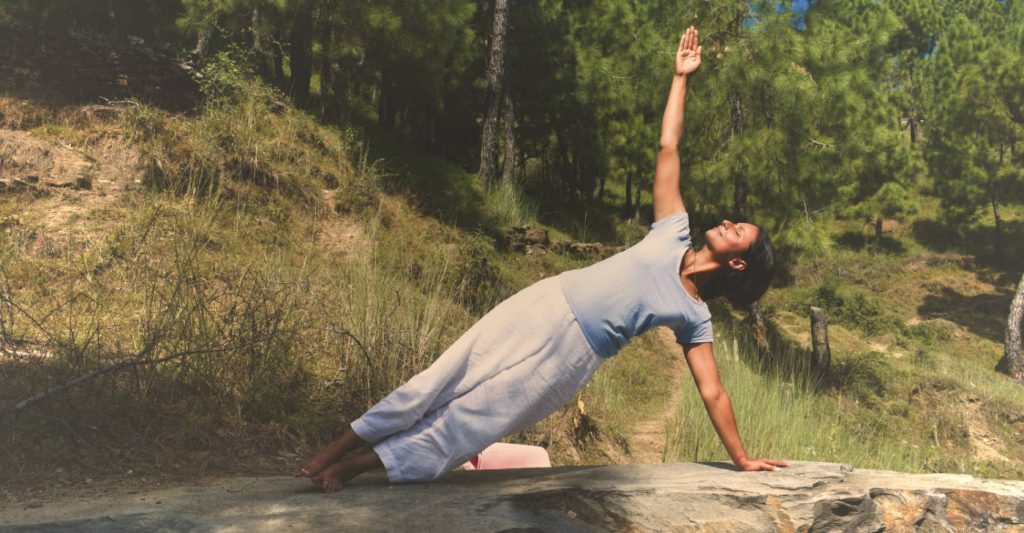
The fresh air, the earth beneath your feet, and vibrant surroundings – no indoor practice can replace the profound connection that practising in nature offers. Here you are immersed in the natural elements of sunlight, fresh air, the sounds of birds or water, and the living energy of plants, all engaging your senses and inviting you to be fully present and in tune with your environment. Your breath can expand more freely, your movements can feel more fluid, and your mind can more easily enter a state of openness and receptivity compared to indoor practice. This immersion in nature allows for a greater sense of grounding and alignment with the earth’s natural rhythms. While weather or living circumstances may not always permit outdoor practice, take full advantage when they do. The experience will greatly deepen your connection to both nature and your inner self.
A path to inner peace and natural harmony
Generally speaking, combining herbs and yoga provides a holistic approach to health and well-being, aligning the body, mind, and spirit with the natural world and the universe. This practice can be tailored to individual needs and preferences, whether you’re looking to relax, find clarity, or go deeper within in your practice.
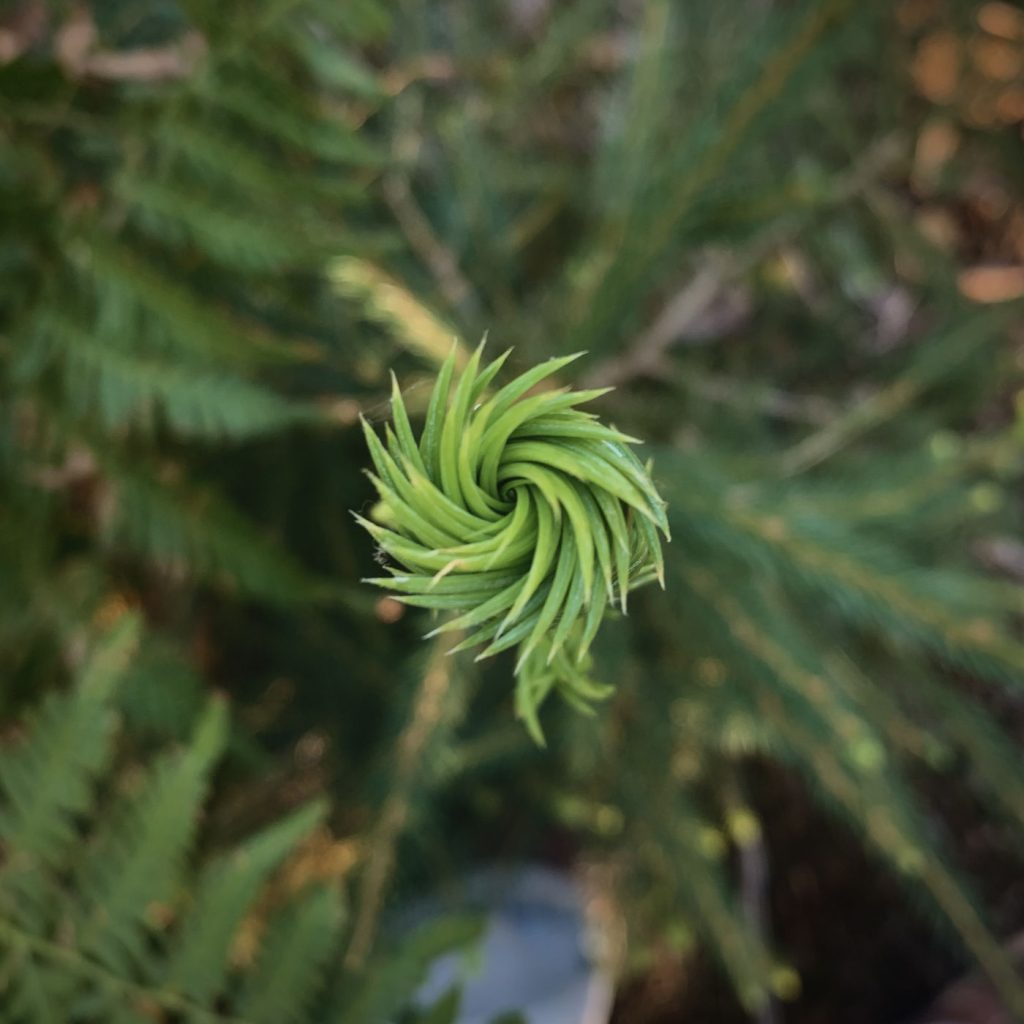
By consciously integrating herbs into your yoga routine or yoga into your herbal routine, you not only enhance your practice but also cultivate a deeper awareness of your connection to the earth and all living things. This synergy between yoga and herbalism brings a sense of inner peace and harmony, allowing you to move through life with greater balance, mindfulness, and awareness while becoming more attentive to the magic of nature—its colours, geometry, and subtle wonders.
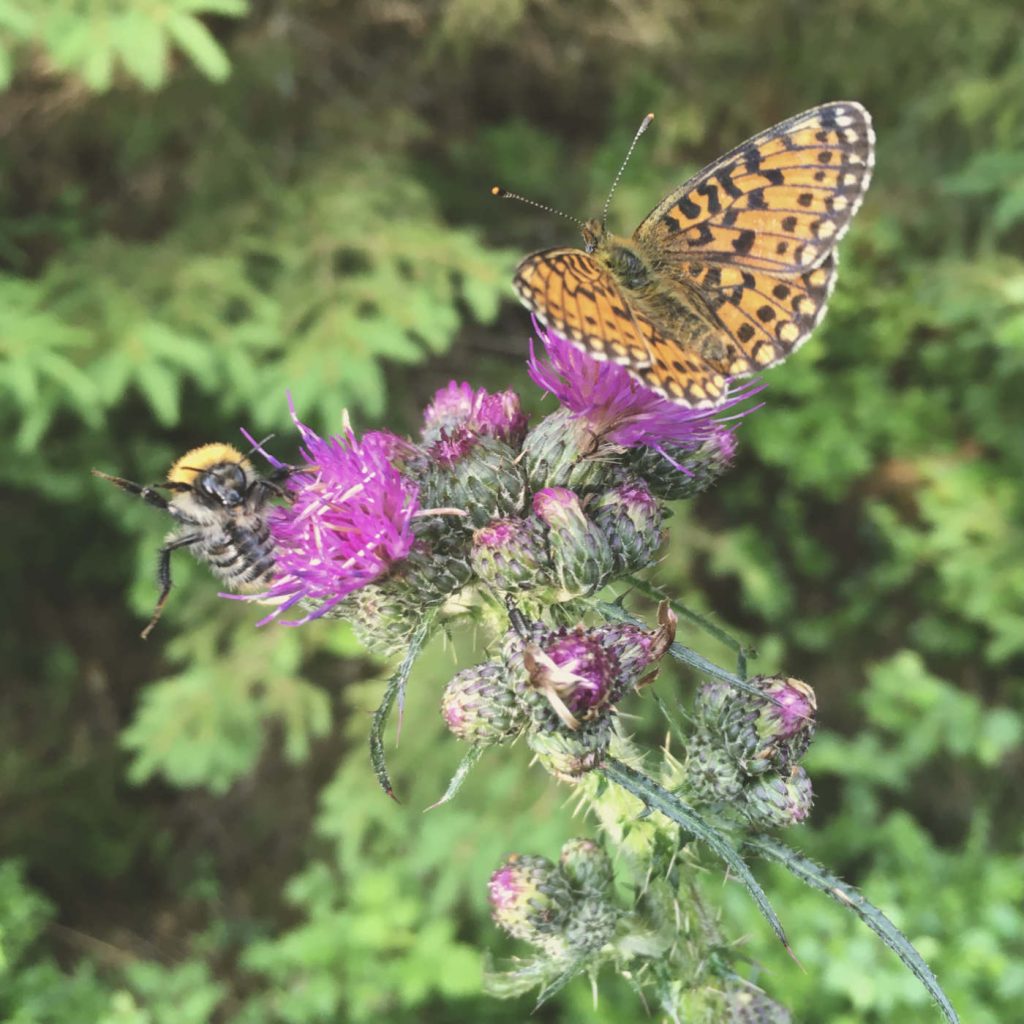
Final thought
The journey to inner peace and a stronger connection with nature and inner self is a personal and evolving one. By combining yoga and herbs, you create a personalised practice that honours both your personal needs and the natural world. Start experimenting with different herbs and practices, and notice how they impact your energy, mood, and overall sense of well-being. In time, you may find that this combination brings a deep sense of balance and connectedness to your life.
Love, Sarah Águsta