


Understanding how to preserve medicinal plants that you have gathered in the wild or in your garden properly enables you to benefit from their full potential. In this post, we will explore practical methods to keep your medicinal plants fresh and potent for a healthier, more natural lifestyle during the time when many plants are in dormancy.
Drying
The most common and easy way of preserving your plant harvest I would say is to simply dry it. Plants that have been dried correctly and stored in airtight containers hold their medicinal properties for about a year, just in time for the next harvest season. Below I’ve explained a few different ways in which you can safely dry your herbs.
Drying rack
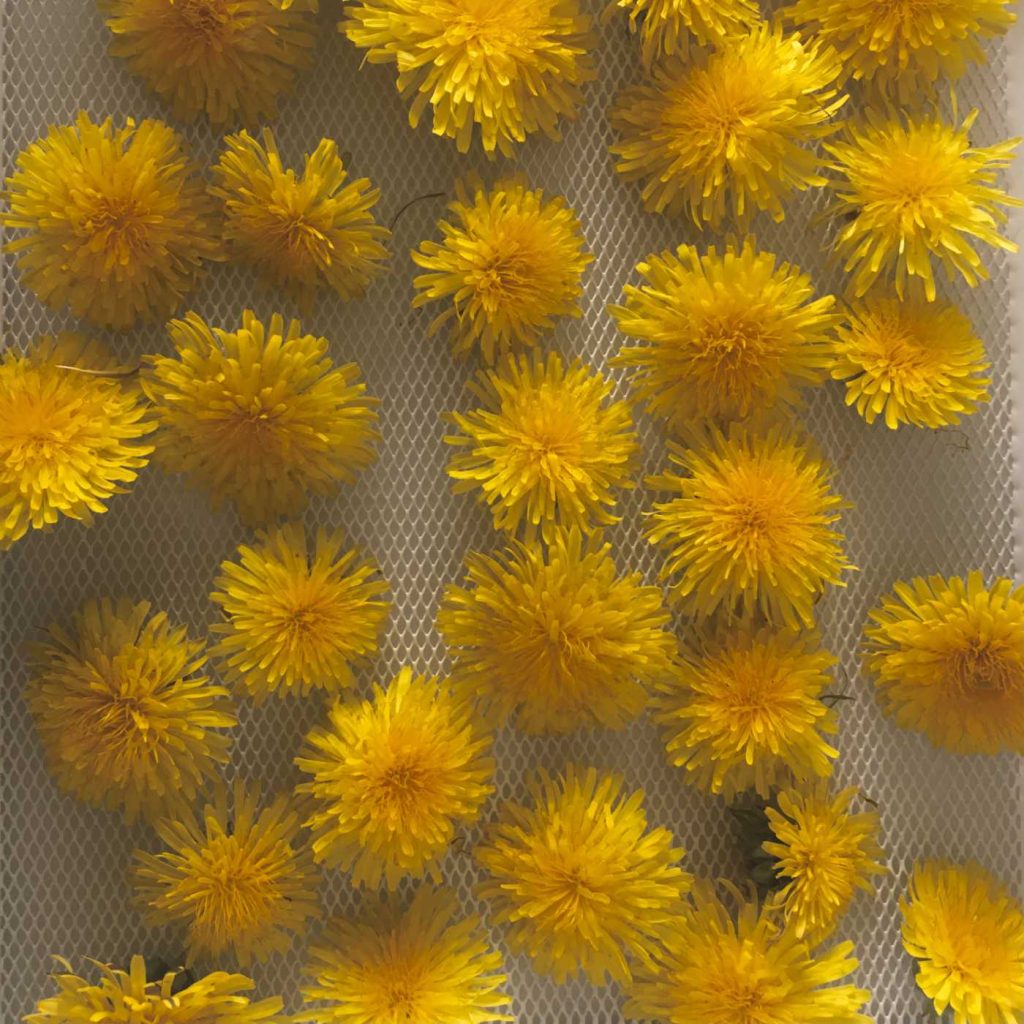
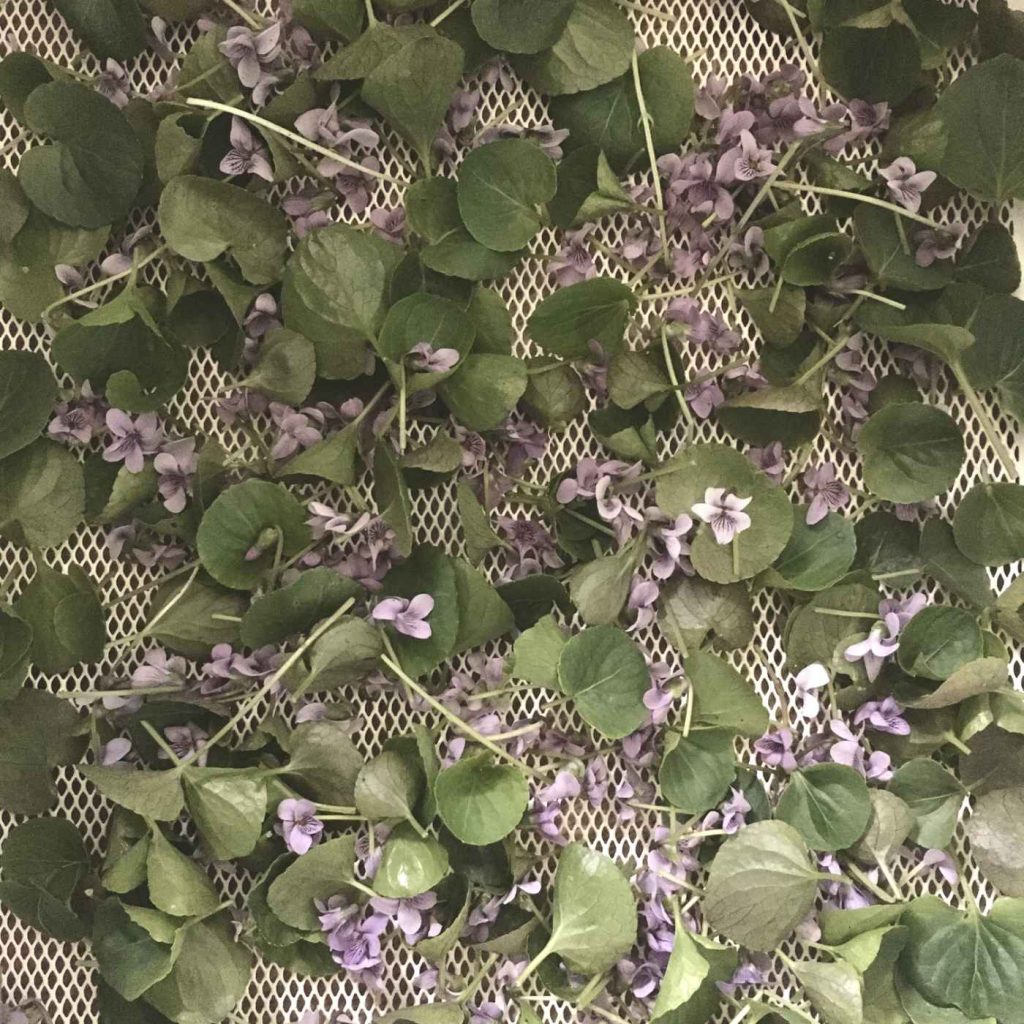
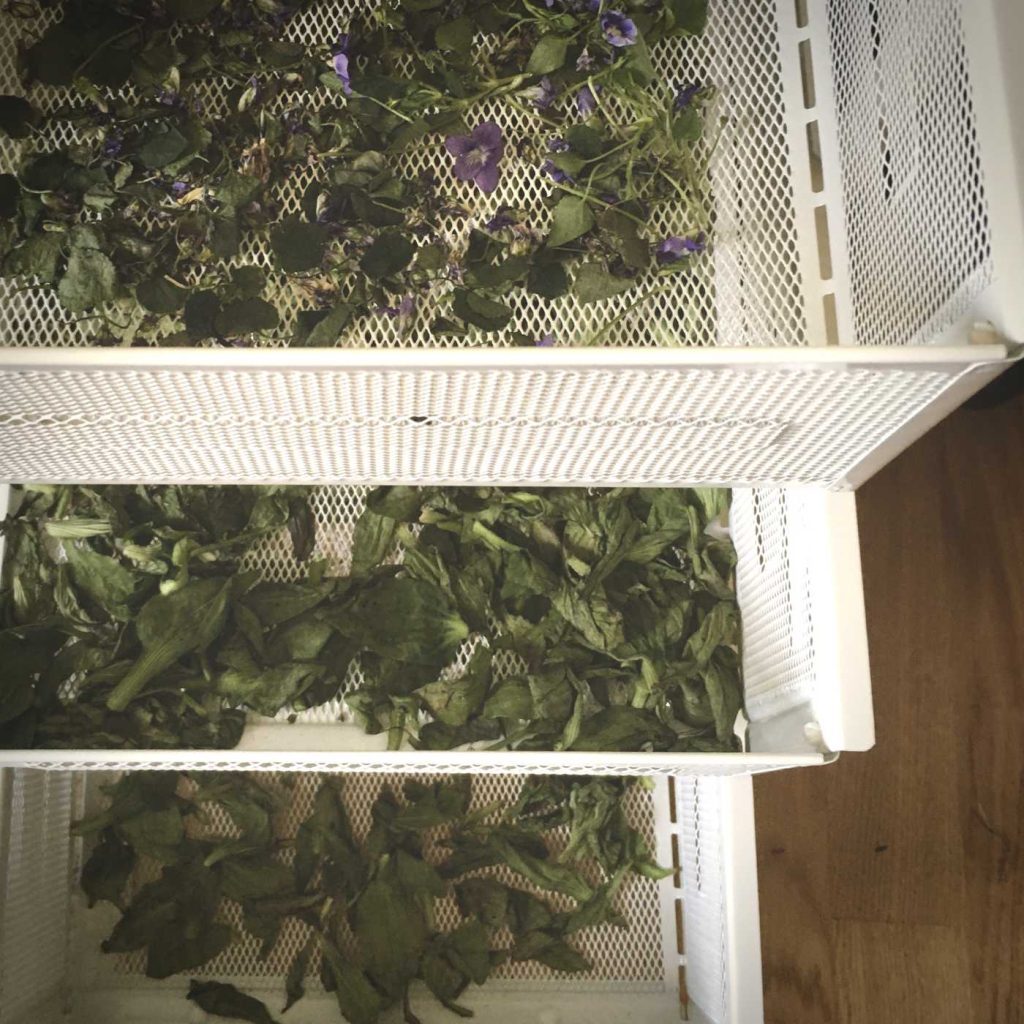
You can buy drying racks that are made specifically for drying herbs, make your own out of muslin cloth material or use any other thing equivalent such as the draw unit shown in the pictures below which I bought cheap from Ikea. Spread a thin layer of the herb on the drying screen and make sure that there is free air circulation both over and under. Keep the drying herbs in a dry, dust -and (preferably) pet free room at mild temperature and away from direct sunlight. Check in on the herbs during their drying process and turn them occasionally to prevent moulding. When the herbs are cracking dry (snap or crumble at slight bending or pressure) which is usually within a few days, they are ready to be stored for later use. This is by far my most prefered method for drying aerial parts of a plant
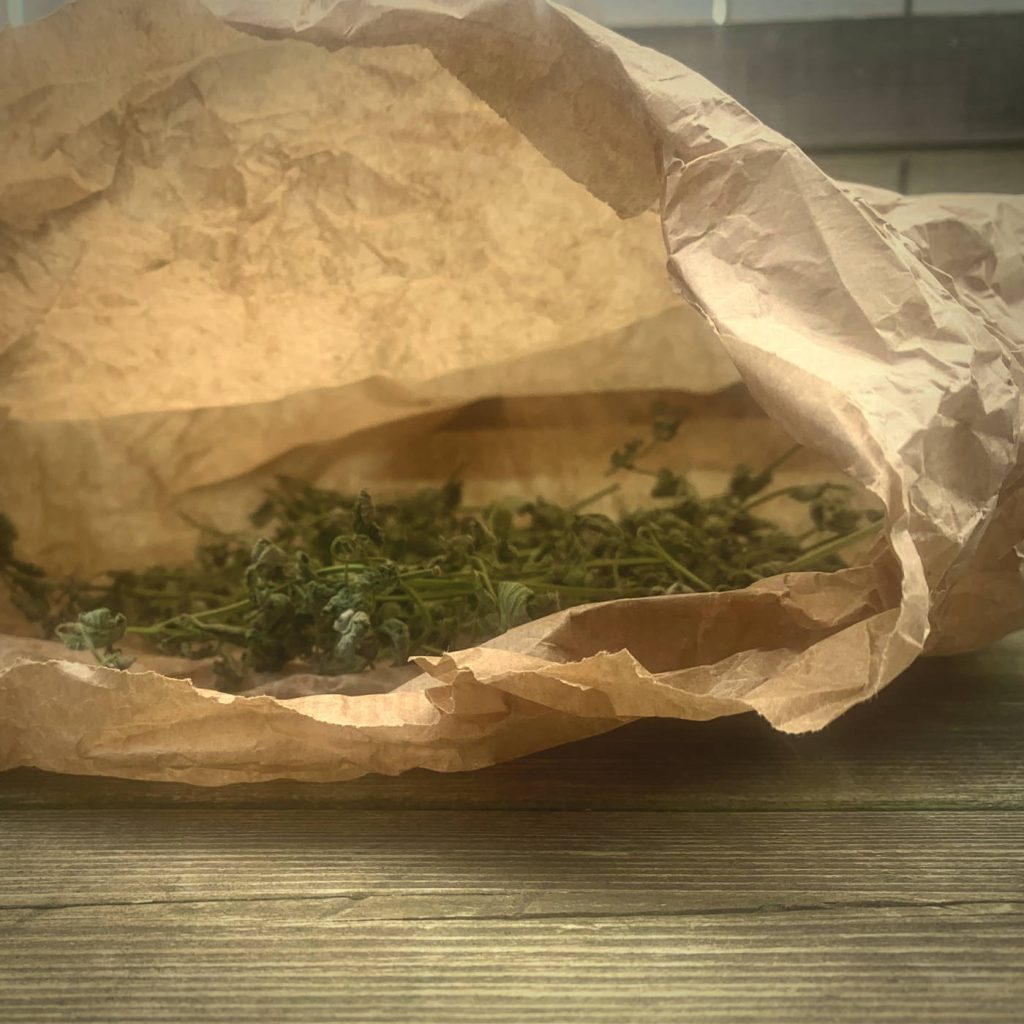
Paper bag
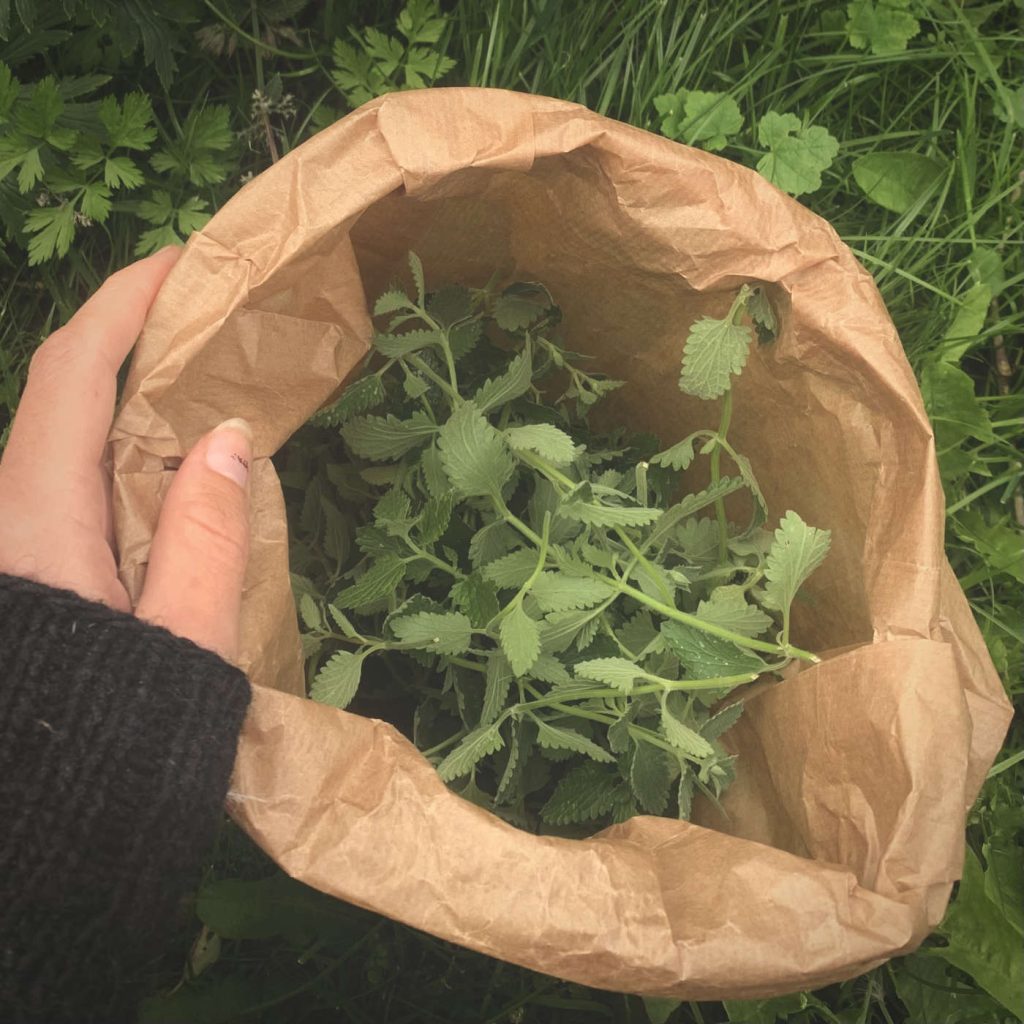
Put your harvested herbs in a paper bag and place it in a dry, mildly warm place away from direct sunlight. Make sure that the bag is not packed with herbs but that there is plenty of room for air circulation. Check and turn the herbs everyday until they are fully dried to prevent them from moulding. This way of drying is only suitable for aerial parts and is a method I only ever use as a last resort if I am out traveling and have no other way of drying my wild plant harvest.
Dehydrator
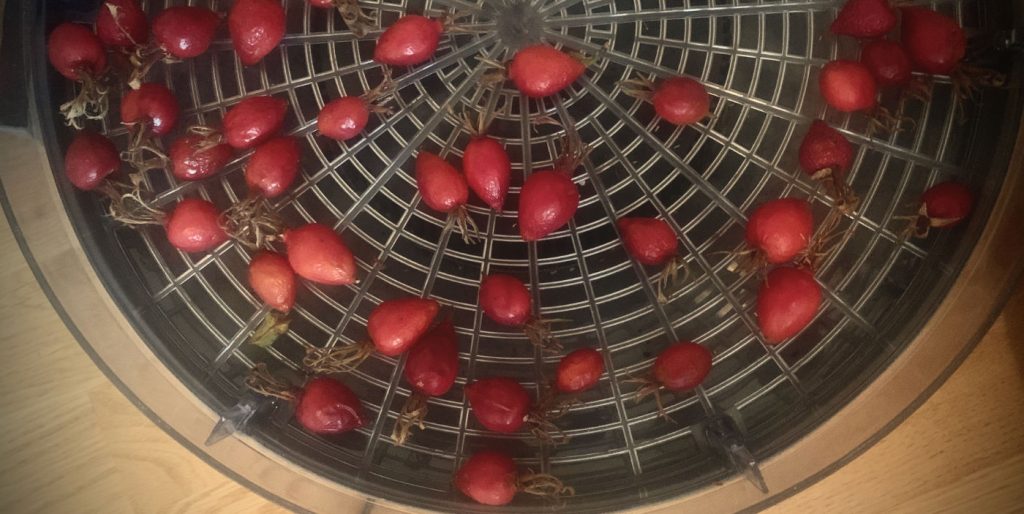
If you have gathered roots, berries or mushrooms drying them in a food dehydrator is the most appropriate way to best preserve their medicinal properties. If you don’t have a dehydrator you can in some cases use an oven, however, getting the temperature low enough to avoid cooking or roasting your medicine can be tricky and inefficient. Some roots and mushrooms actually dry well enough on a passive drying rack while berries, in my experience, at all times require heat. Place the plants on the dehydrator trays in a single layer and follow the guidelines on the dehydrator. The accurate temperature vary depending on which plant you are drying but generally roots cut into smaller pieces dry best at 40-50 degrees celsius and mushrooms and berries at 50-60 degrees celsius. The time it takes varies a lot but is generally about 8-12 hours.
Store the dried medicine in airtight glass jars or sealed paper bags and keep them in a dry area away from direct sunlight and heat. Create tea blends, herb salts, superfood powders, body scrubs and other herbal remedies that suit your needs.
Using a menstruum
Although preparing remedies with already dried herbs is an over all more safe approach to prevent rancidity and the plants going mouldy in the process, one can still have great success with fresh plant material. In fact, some herbs are better prepared fresh to retain their medicinal properties and once sealed and unopened, store for up to three years.
Oil
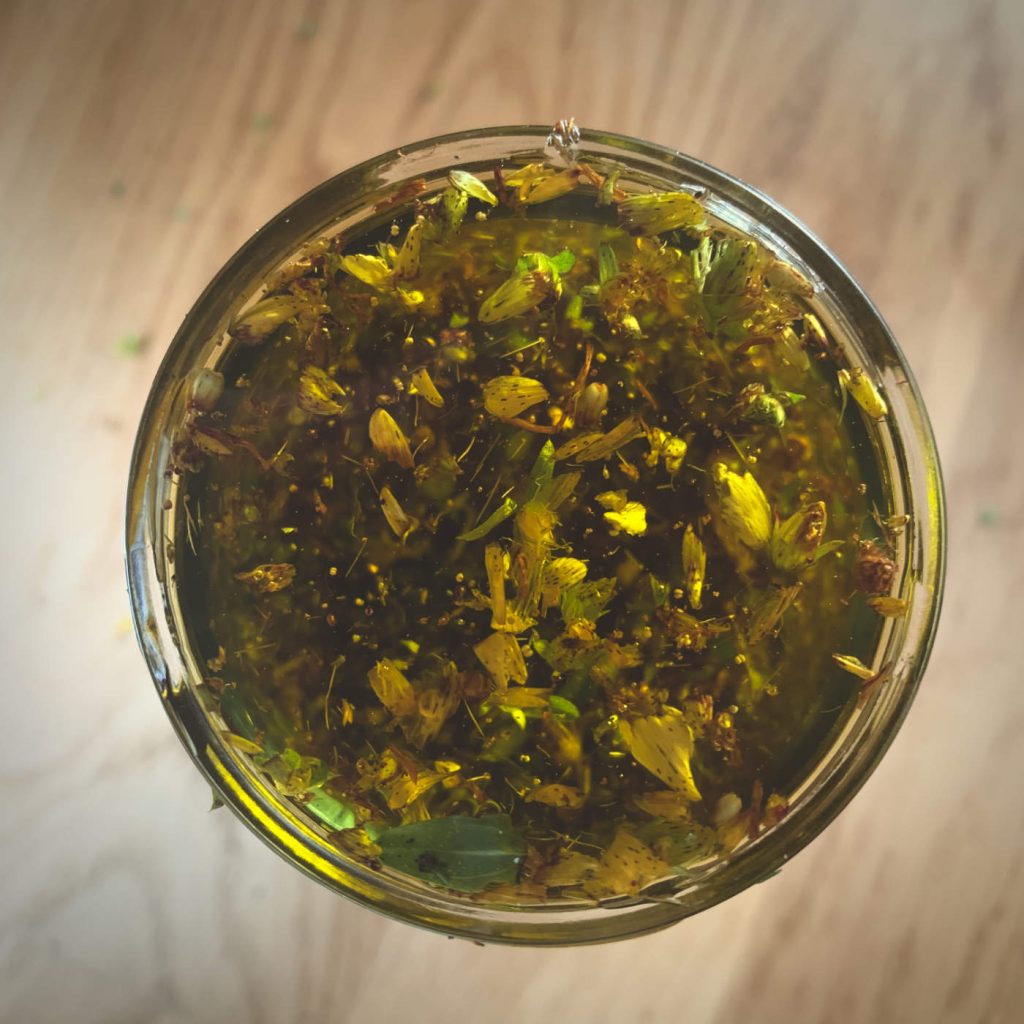
Fresh herbs that naturally don’t contain much water are preserved well in oil. Plants including St. John’s wort, yarrow, rosemary, pine, chamomile and rose to name a few naturally have a low enough water content and can safely be infused fresh in oil. The fresh infusion may even make a more potent oil than an infusion made from dried plants. Check out my post How to Make a Healing Herb-Infused Oil for a step-by-step guide on how to make and use herbal oils.
Apple Cider Vinegar
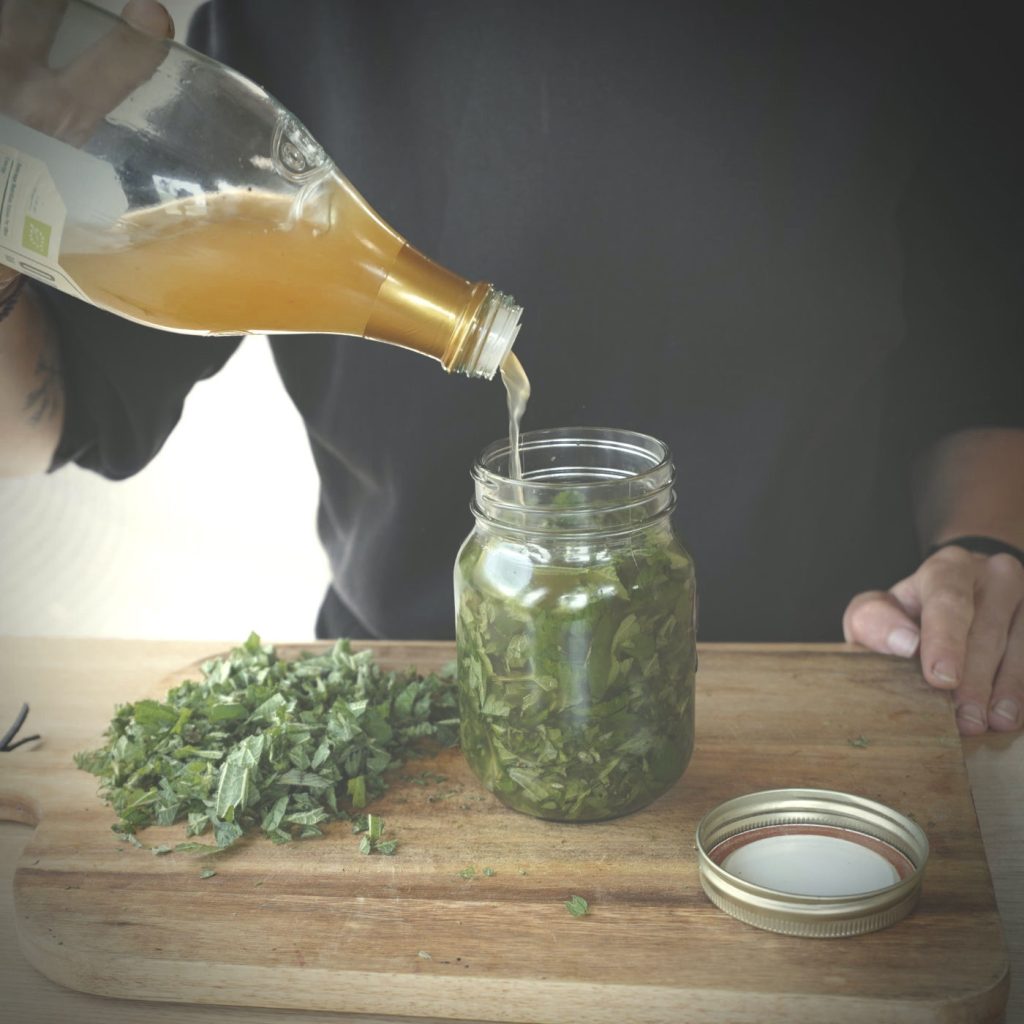
Fresh berries and roots and some fresh herbs including stinging nettle and lemon balm are amazing to infuse in apple cider vinegar. This is a brilliant way to preserve nutrients and medicinal properties of a plant while also introducing healthy vinegar to your diet which alone hold extremely healthy properties. Add some honey for a yummy and further immune boosting oxymel. Check out my post How to make a herb-infused vinegar for a step-by-step guide on how to make and use herbal vinegar.
There are many more ways in which you can preserve your freshly gathered wild plants and much more to explore. These are only ways that I like to preserve and work with plants and that I believe are easy and accessible for even the busiest of people. Have fun with it!
Love, Sarah Águsta


